
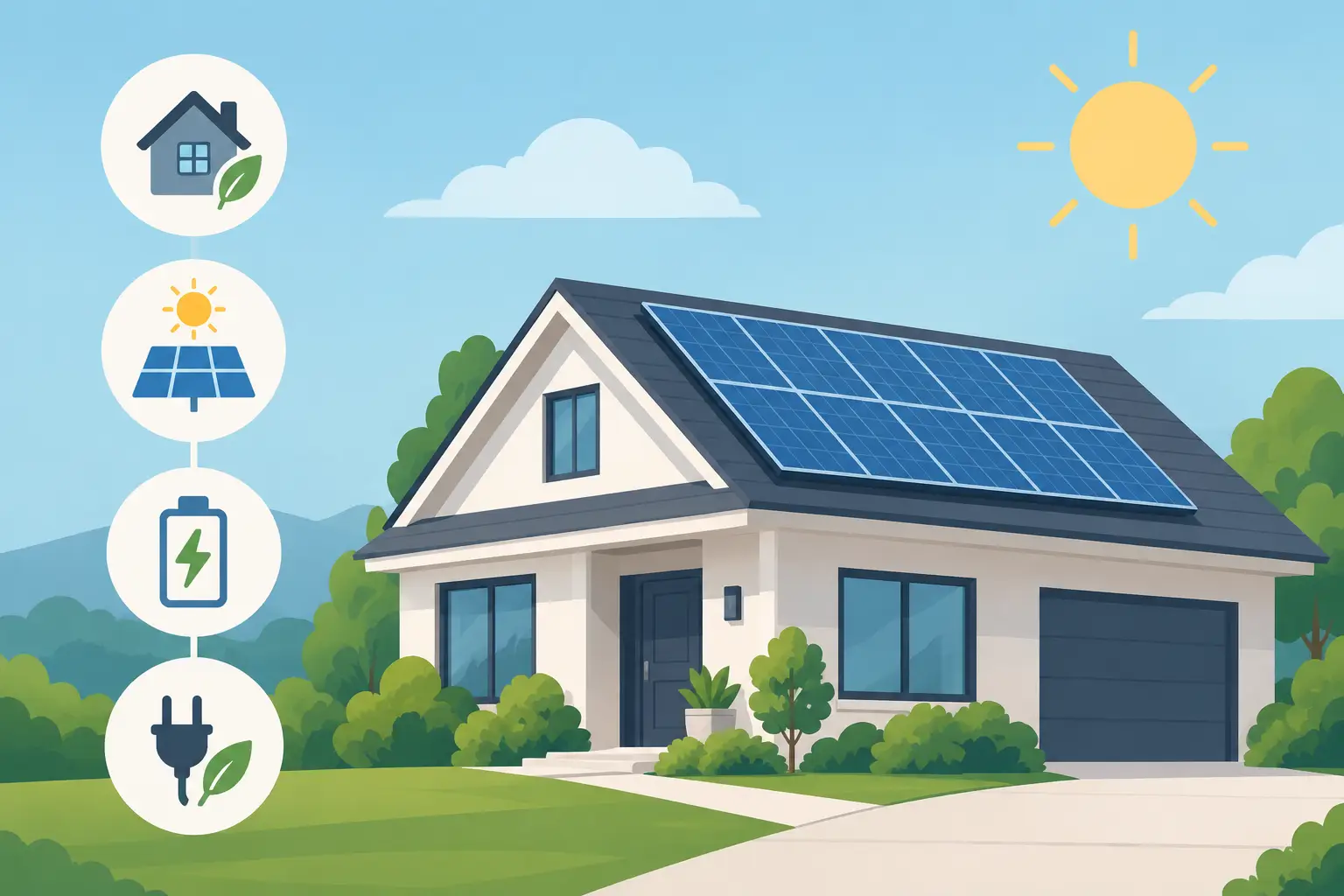
A solar system is only as effective as the property it is fitted to. Well-planned solar installations can reduce reliance on grid electricity and support lower running costs, but the best results come from assessing the roof, household demand and existing electrical installation before any panels are ordered.
For homeowners, landlords and property managers, the practical question is not simply whether solar panels will fit. It is whether the system will be safe, appropriately sized and capable of delivering useful generation over many years.
Start with the roof, not the panels
A south-facing roof can provide strong generation, but it is not the only workable option. East- and west-facing roofs can still be highly worthwhile, particularly for households that use electricity in the morning and late afternoon. A west-facing array may suit a family whose energy use rises after work and school, while an east-facing array can better support early daytime use.
Shading matters just as much as orientation. Nearby trees, chimneys, dormers and neighbouring buildings can reduce output at certain times of day. Even partial shade should be considered at survey stage, as it may influence panel layout and whether individual panel optimisation is appropriate.
The roof covering, age and condition also deserve attention. It rarely makes sense to install a long-life solar array on a roof that is likely to need significant repairs in the next few years. Where re-roofing is planned, it is usually more practical to complete that work first. A competent installer should also consider safe access, fixing methods and the condition of the underlying structure rather than treating every roof as the same.
Check the electrical installation before solar installations
Solar panels generate DC electricity, which is converted into usable AC electricity by an inverter. That inverter must be connected safely to the property’s electrical system, with suitable protective devices and clear isolation arrangements.
This is why the consumer unit and wider installation should be assessed before work begins. An older fuse board, limited spare capacity, damaged cabling or historic electrical alterations may need attention before a solar connection can be made safely. In some properties, an Electrical Installation Condition Report can provide a clearer picture of the installation’s condition and identify issues requiring remedial work.
A solar installation is not a reason to overlook existing faults. It is an opportunity to ensure the electrical system is safe, properly protected and ready for the additional equipment. This is particularly relevant for rental properties, larger homes and buildings where other high-demand equipment, such as EV chargers, electric showers or heat pumps, is already in use.
The grid connection must be considered
Most domestic systems remain connected to the electricity network. Depending on the size and design of the installation, the Distribution Network Operator may need to be notified or grant approval before connection. Your installer should explain what applies to the proposed system and manage the required process as part of the project.
This detail matters because exporting power is not an afterthought. The local network must be able to accommodate the generation safely. Clear paperwork and proper commissioning also help when you come to arrange export payments with an electricity supplier.
Size the system around how you use electricity
The largest array is not automatically the right answer. A sensible design starts with your electricity consumption, when it occurs and what may change in the future.
Reviewing past bills is useful, but it should not be the only consideration. A household planning to buy an electric vehicle, install a heat pump or replace gas cooking with electric appliances may have a very different electricity profile within a few years. Equally, a property occupied mainly during evenings may benefit from a different panel arrangement or battery strategy than a home where somebody works from home during the day.
Solar generation is highest in brighter months, while household demand often rises in winter. Panels can still make a useful contribution throughout the year, but expectations should be realistic. A good proposal sets out likely annual generation and explains that day-to-day output will vary with weather, season, shading and electricity use.
Is a battery worth including?
A battery stores surplus solar electricity for use later, rather than exporting all unused generation to the grid. For many households, this can increase the proportion of solar power used on site, especially where occupants are out during the day and use more electricity in the evening.
However, batteries add cost and are not essential for every system. If a property has strong daytime consumption, such as home working, appliances on timers or regular EV charging, a standard solar array may already use a good share of its generation directly. Export rates, electricity tariffs, expected future demand and available installation space all affect the decision.
Battery systems should be designed with the same care as the panels. The location needs to be suitable, accessible and appropriately ventilated where required by the manufacturer. The electrical protection, isolation and labelling must also be completed correctly. A battery is a substantial electrical asset, not simply an accessory added at the end of a quote.
Plan for EV charging and future upgrades
Solar and EV charging can work well together, but only when the system is designed around real charging habits. If a vehicle is usually at home during the day, solar generation may contribute directly to charging. If it returns in the evening, a battery or an off-peak electricity tariff may be more relevant.
It is worth discussing future plans at the outset. Allowing for an EV charger, a battery addition or increased electrical demand during the initial design can avoid unnecessary alterations later. There is no single arrangement that suits every household, so advice should be based on your property and priorities rather than a one-size-fits-all package.
What good installation work looks like
The visible panels are only one part of the job. Quality solar work includes a secure mounting system, carefully routed cabling, correctly selected protection, a properly installed inverter and thorough testing before handover.
You should expect the installer to explain where equipment will be located, how cables will be routed and what disruption is likely inside and outside the property. They should also confirm what certification, commissioning information and operating guidance you will receive once work is complete.
Choose qualified, insured electricians who understand both solar equipment and the requirements of the existing electrical installation. Ask direct questions about the proposed design, safety measures, warranties, certification and who will be responsible for any necessary network notifications. Clear answers before work starts are a good sign that the project is being managed properly.
For landlords and property managers, it is also sensible to keep solar documentation alongside electrical inspection records, appliance information and maintenance files. This makes future inspections, repairs and tenant handovers more straightforward.
Getting a useful quotation
A worthwhile quotation should do more than give a panel count and a total price. It should identify the proposed generation capacity, panel layout, inverter type, battery details where applicable and any assumptions about shading or roof condition. It should also make clear whether upgrades to the consumer unit or remedial electrical work may be needed.
Be cautious with estimates that promise a fixed saving without explaining how it has been calculated. Electricity prices, export tariffs, weather and household habits all change. The more useful measure is whether the proposed system is technically suitable, safely installed and aligned with the way the property uses energy.
SDT Electrical Services Ltd can assess the electrical side of a planned solar project and provide practical advice on installation requirements, safety and future upgrades across the Midlands. A free, no-obligation quotation gives you the chance to discuss the property properly before committing to a design.
The right solar system should feel like a considered improvement to your home, not a rushed purchase. Start with a proper survey, make sure the electrical installation is ready, and choose a design that still makes sense as your energy needs change.